
Product Matching
Align product categories, features, market requirements, and expected price positioning before the sample stage.
ByteAero helps B2B buyers turn product requirements into organized consumer-electronics programs for retail, wholesale, and online channels.
From product matching through sample review and shipment inspection, the working process stays visible and practical.
A good electronics program starts with a specific commercial brief, not a generic catalog.
We structure early conversations around target channel, product application, required functions, package language, compliance considerations, target quantity, and delivery timing. That creates a useful base for sample selection and later quotation.
Before a shipment is prepared, the same brief becomes a practical checklist for product appearance, accessories, labeling, carton condition, and supporting documents.
Explore Product CategoriesReview the practical service pages for samples, inspection, packaging, documentation, shipping preparation, and OEM or ODM project control.
Connect specifications, approved samples, functional priorities, workmanship limits, packaging, labels, quantity, and shipment release decisions through a documented inspection scope.
Discuss Inspection ScopePlan sample rounds around configuration, compatibility, function, user experience, appearance, accessories, packaging, claims, and the evidence required for a controlled golden sample.
Plan a Sample ReviewCoordinate package structure, artwork, claims, labels, barcode, languages, instructions, accessories, inner packs, cartons, samples, and final inspection around the approved product.
Discuss Packaging RequirementsOrganize model identity, configuration, test reports, certificates where applicable, declarations, labels, manuals, battery documents, supplier records, and destination-market review questions.
Discuss Document RequirementsCoordinate product identity, battery status, packing method, dimensions, weights, quantities, carton marks, inspection release, documents, freight assumptions, and consignee requirements.
Discuss Shipping PreparationChoose the right development route and connect requirements, supplier capability, quotation, samples, engineering changes, validation, packaging, compliance evidence, production, inspection, and handover.
Discuss Your OEM ProjectUse images and records to support a buying conversation. The examples below show the type of sourcing, coordination, and inspection evidence buyers normally ask to see.


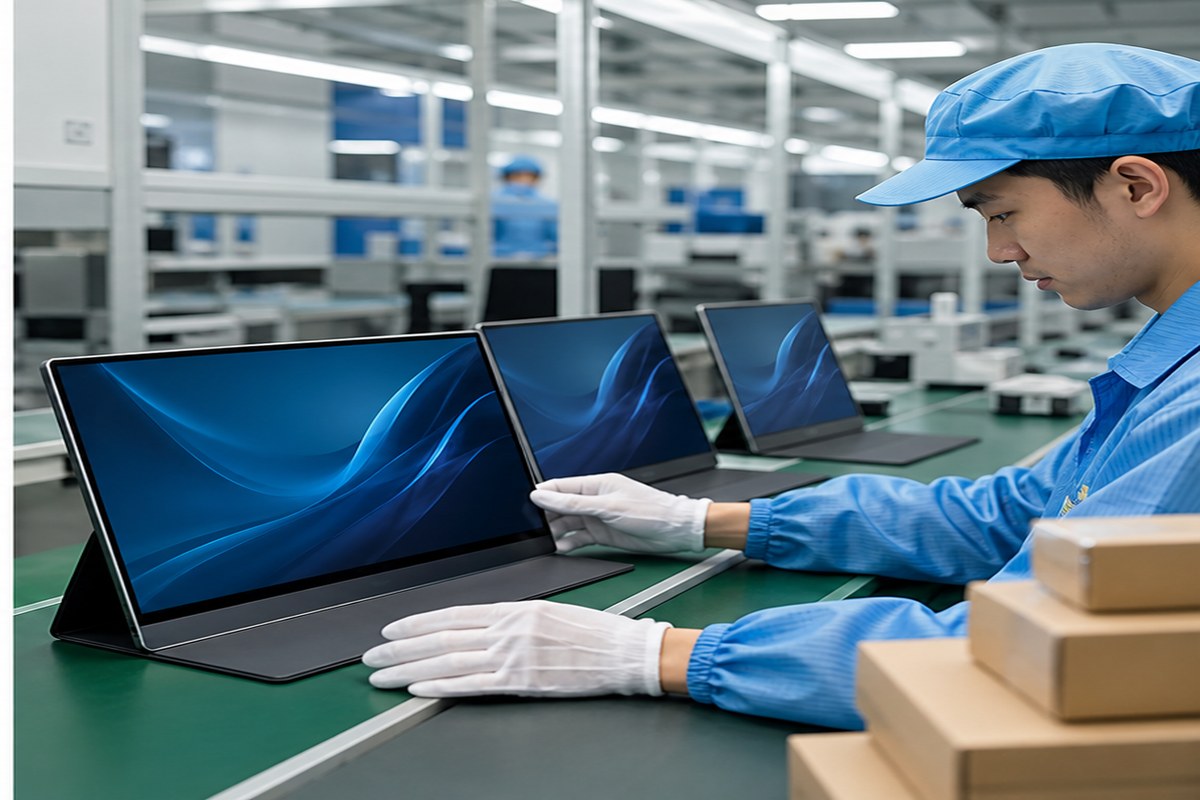
Quality control is most useful when it follows the product brief and happens before final handoff.
For consumer electronics, the right checks vary by category. A fast charger may need output and plug checks; wireless audio needs pairing, microphone, charging, and cosmetic review; a connected device needs setup and app-flow confirmation.
Buyer-specific inspection points, shipment photos, carton information, and final pack-out records can be agreed before production or shipment preparation begins.
Review project case referencesUse a repeatable sequence to keep customer requirements, product evidence, and shipment readiness connected.
Align product categories, features, market requirements, and expected price positioning before the sample stage.
Review appearance, core functions, accessories, packaging, and the evidence needed for a confident buying decision.
Coordinate packaging information, carton marks, documentation requirements, and shipment inspection points.
Share the product category, destination market, intended channel, and timing. We will prepare the next discussion by email.