
Quick Article Directory
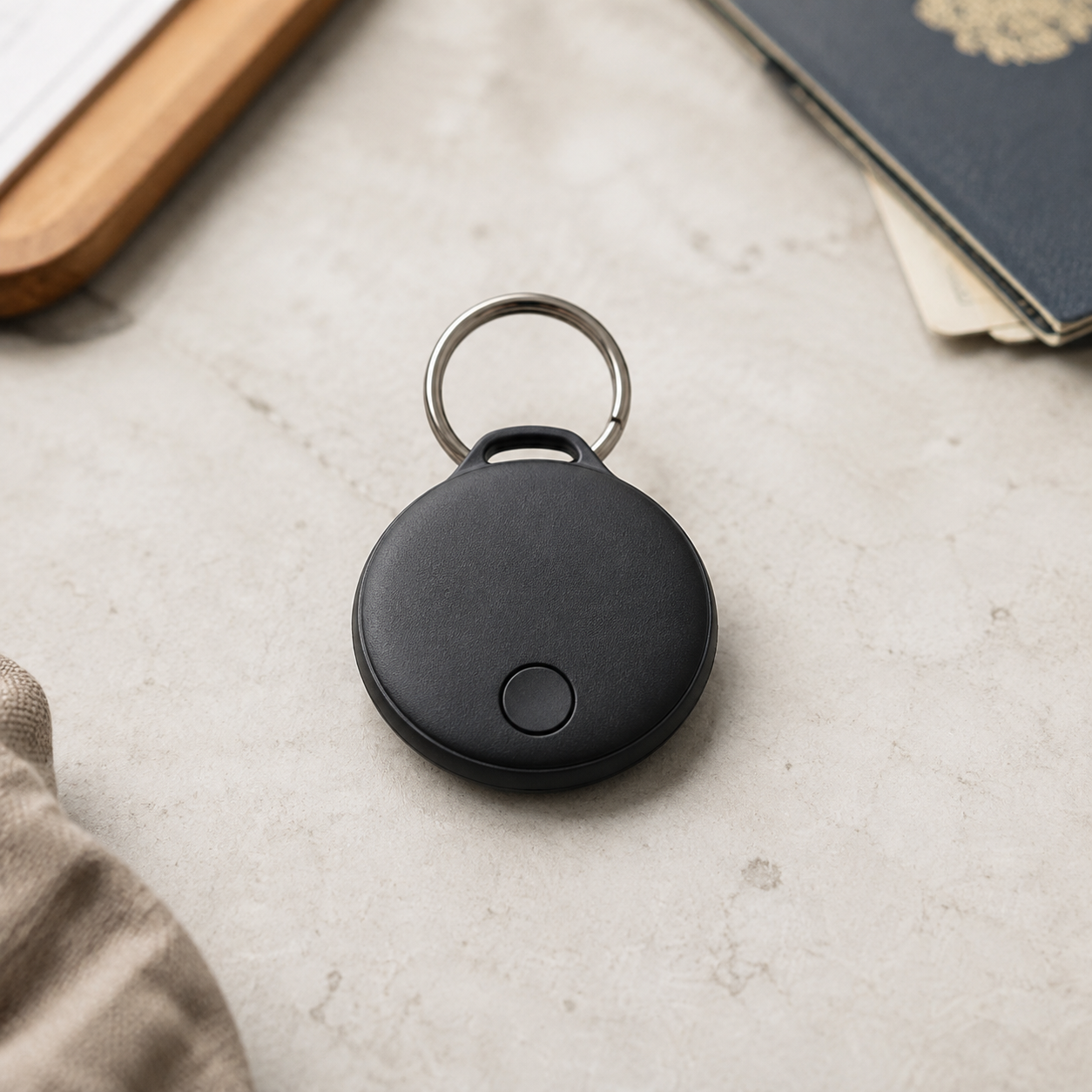
Bluetooth Tracker Wholesale Guide for Travel and Accessory Buyers
Topic Research and Search Intent
Blog title: Bluetooth Tracker Wholesale Guide for Travel and Accessory Buyers
Target keyword: Bluetooth tracker wholesale
Search intent: Buyers sourcing tracker tags want to understand app compatibility, location limits, alert behavior, battery access, privacy messaging, packaging, and factory testing before private-label purchase.
Why this topic fits a B2B export website: Trackers serve travel, luggage, keys, bags, and everyday-carry accessory channels. They are decision-sensitive because the app and network behavior are as important as the physical tag.
Introduction
Bluetooth trackers can help users find nearby items, play a sound, view last-known information, or use a compatible device network where the product supports it. They are popular in luggage, key, bag, pet-accessory, gifting, and travel retail. Their marketing can become misleading quickly, however, if a buyer treats a Bluetooth tag as a universal real-time GPS locator.
This guide focuses on responsible B2B sourcing: describe the approved app and actual product application, test alerts and battery behavior, provide straightforward privacy information, and inspect the finished pack. Buyers building a travel range can also review ByteAero's universal travel adapter guide and magnetic phone holder guide.
Set Accurate Customer Expectations
Confirm whether the tracker uses Bluetooth nearby finding only, a compatible crowd-assisted network, or another service. Define what users can see in the app, whether a subscription is involved, which phone operating systems are supported, where the service is available, and how a sound alert works. Avoid terms such as "live GPS" unless the approved product actually includes the required technology and service.
Bluetooth LE is designed for low-power device communication, and Bluetooth technology can support location-related functions in appropriate implementations. The Bluetooth SIG's technology overview explains that Bluetooth LE can support presence, distance, and direction features, but real user experience depends on the implemented system. Test the exact sample and app version instead of copying broad technology claims.
App, Battery, and Physical Design
Test first-time setup on clean phones, account creation, pairing, rename flow, sound alert, separation notification where available, battery status, reset, and removal from an account. Confirm what happens when a customer replaces the battery or changes phones. For rechargeable models, check cable type, charge indicators, charging time, and real standby behavior.
Review the tag's attachment point, keyring, card shape, enclosure, button feel, speaker volume, and battery cover. A luggage tag needs different abrasion and attachment testing than a wallet card. Packaging should accurately state the supported phone requirements, app name or setup path, included battery or charging cable, and privacy or safety notices required for the destination market.
Factory Testing and Shipment Inspection
Factory testing should include power-on, pairing, sound alert, reset, app command response, battery or charge check, button, speaker, attachment point, label, QR code, and packaging. Test the same workflow with production firmware. For a tag with a replaceable cell, inspect battery orientation, cover closure, and child-safety requirements applicable to the target market.
Shipment inspection should sample packed units and repeat the full customer journey. Confirm the correct app instructions, device compatibility statement, activation method, label, accessory count, barcode, and carton mark. Keep an approved app screen record and golden sample so post-shipment customer support is not based on memory.
Supplier Evaluation and RFQ Example
Ask who operates the app, how app changes are communicated, which regions and phone versions are supported, what privacy features exist, how battery behavior is tested, and whether a customer can transfer ownership. Do not approve a tracker based only on a supplier video.
RFQ example: "We need Bluetooth tracker tags for travel and lifestyle retail. Please quote keyring and card-style options with replaceable or rechargeable battery, English packaging, private-label logo, app onboarding guide, and selected colors. Confirm supported phone systems, location features, alert function, battery type, sample lead time, production lead time, and inspection process."
FAQ
Is a Bluetooth tracker the same as a GPS tracker?
No. The product's location behavior depends on the technology and network it actually implements. Packaging should state its approved function without implying live global tracking.
What should be tested in the app?
Test onboarding, pairing, sound alert, location display, notification behavior, reset, ownership transfer, and battery status on the supported phones.
Why is privacy content important?
Trackers are location-related products. Buyers should confirm the app's privacy, safety, and destination-market messaging before launch.
Image Planning and AI Generation Prompts
Image 1 purpose: Travel-use image.
Insert position: After "Introduction".
Caption: "Tracker products should be described according to their real app and location behavior, not a generic GPS claim."
ALT text: "Bluetooth tracker tag attached to travel luggage for wholesale buyers"
AI image prompt: "Authentic travel accessory photograph of one compact Bluetooth tracker tag attached to a modern suitcase handle, full tracker visible, airport lounge background softly out of focus, natural light, no logos, no text."
Image 2 purpose: App and QC image.
Insert position: After "Factory Testing and Shipment Inspection".
Caption: "Quality control checks pairing, alert sound, battery status, reset behavior, and the complete retail kit."
ALT text: "Asian technician testing Bluetooth tracker tag with smartphone at factory"
AI image prompt: "Realistic documentary electronics factory photo, Asian technician testing small Bluetooth tracker tags with a smartphone on a tidy quality-control bench, sound test fixture visible, no readable app text."
CTA and Inquiry Popup Plan
Mid-article CTA position: After "Factory Testing and Shipment Inspection".
CTA text: Send Your Requirements
End CTA position: After "Conclusion".
CTA text: Get a Quote
Popup trigger suggestion: 40% scroll, 30 seconds on page, or exit intent.
Popup title: "Source Trackers With Clear App Requirements"
Popup copy: "Tell us your target use, phone ecosystem, battery preference, packaging, and estimated order quantity."
Suggested form fields: Name, Email, Phone, Company, Country/Region, Tracker Type, Quantity, Message.
Submit button text: Send Requirements
Conclusion
Bluetooth tracker sourcing needs accurate product language, real app testing, careful battery and attachment review, and customer-friendly packaging. Approve the complete device-and-app experience before production. ByteAero can help buyers source travel and mobile accessories with practical requirements. Contact us to discuss your tracker range.