
Quick Article Directory
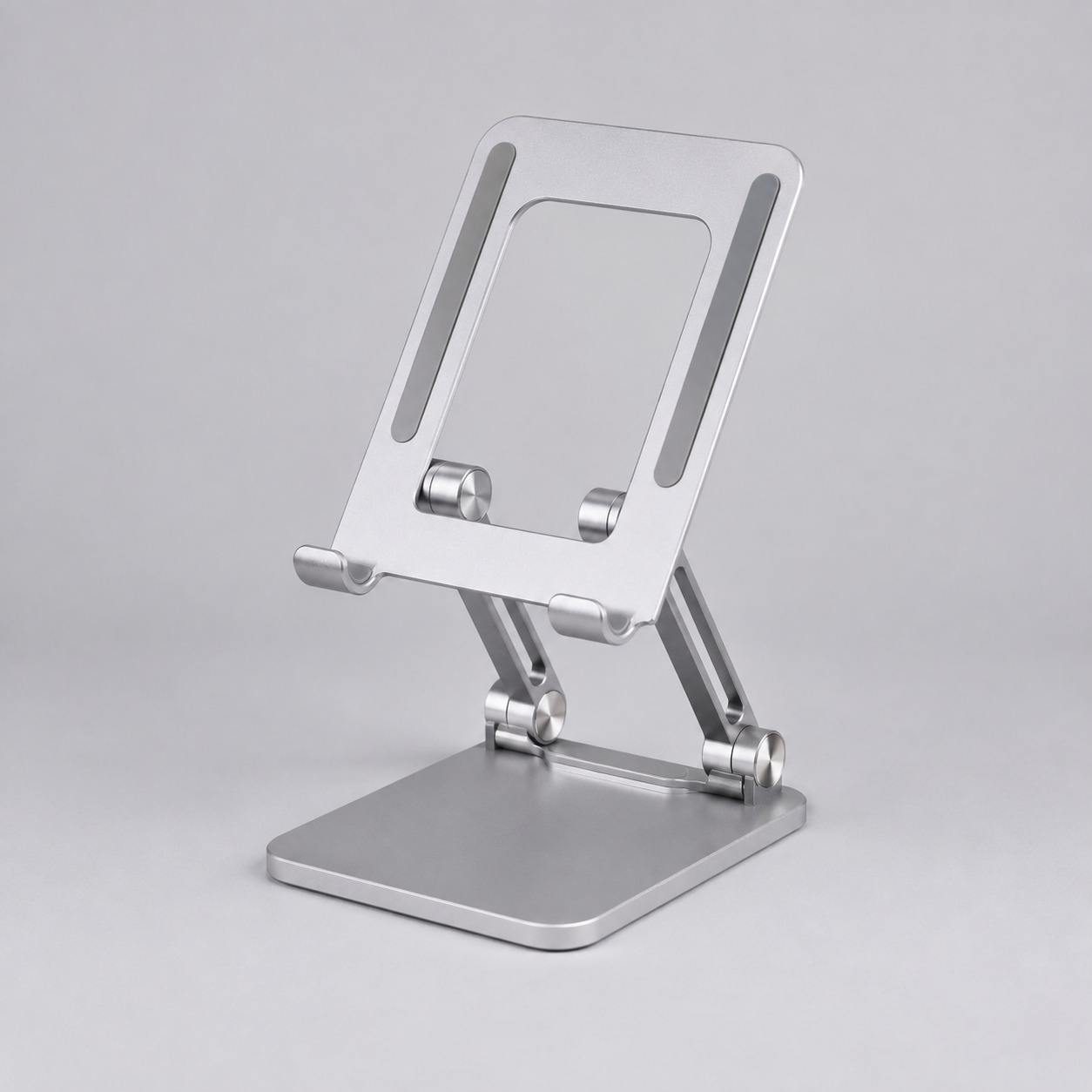
Tablet Stand Wholesale Guide for Office and Education Buyers
Topic Research and Search Intent
Blog title: Tablet Stand Wholesale Guide for Office and Education Buyers
Target keyword: tablet stand wholesale
Search intent: Buyers need tablet stands that fit common devices, remain stable during touch use, fold for shipping where needed, and arrive with clear packaging.
Why this topic fits a B2B export website: Tablet stands create a practical bundle with tablets, keyboard cases, chargers, and portable monitors for office and education channels.
Introduction
A tablet stand is judged by stability, device fit, viewing angle, foldability, and surface protection. Buyers should test small and large tablets, with and without cases, during tapping, typing, video calls, charging, and cable connection. A stand that only looks neat in a product photo may tip or block ports in normal use.
Define the use case: desk work, classroom, kitchen, retail display, travel, or point of sale. Then confirm material, base footprint, anti-slip pads, clamp range or cradle width, angle stops, fold mechanism, and packaging. Related ByteAero resources: tablet procurement guide and tablet keyboard case guide.
QC and RFQ Preparation
Factory testing should include finish, hinge movement, angle locks, anti-slip pads, device support, cable clearance, fold action, label, and packaging. Shipment inspection should test random packed stands with approved tablet sizes and check color, accessory count, barcode, and carton quantity. Ask suppliers to preserve the approved hinge tension and pad material for repeat orders.
RFQ example: "We need foldable tablet stands for education and office retail, supporting selected tablet sizes with protective pads, multiple viewing angles, English packaging, and private-label logo. Confirm device range, folded size, material, sample lead time, production lead time, and inspection process."
FAQ
What is the key stability test?
Use the largest intended tablet at maximum angle and simulate normal taps, cable use, and desk vibration.
Why test tablets with cases?
Many customers leave cases on their devices. A stand can be technically wide enough but still clamp or support a cased tablet poorly.
Image Planning and AI Generation Prompts
Image 1 purpose: Office application. Insert after Introduction. Caption: "Tablet stands should be approved with real devices, cases, charging cables, and ordinary desk use." ALT text: "Foldable tablet stand holding tablet on office desk." AI prompt: "Authentic office product photo of one foldable tablet stand holding a generic tablet on a clean desk, full stand visible, natural daylight, no text or logo."
Image 2 purpose: QC. Insert after QC and RFQ Preparation. Caption: "Inspection verifies hinge tension, anti-slip pads, device fit, pack contents, and carton control." ALT text: "Asian technician testing tablet stands at accessory factory." AI prompt: "Realistic factory documentation photo, Asian technician testing foldable tablet stands with tablets at clean QC bench, natural industrial light, no readable text."
CTA and Inquiry Popup Plan
Mid-article CTA: Send Your Requirements. End CTA: Get a Quote. Popup: 40% scroll, 30 seconds, or exit intent. Title: "Source Tablet Accessories for Your Market". Copy: "Share tablet sizes, stand format, material, packaging, and quantity." Fields: Name, Email, Phone, Company, Country/Region, Product Requirement, Quantity, Message. Submit: Request a Quote.
Conclusion
Tablet stand wholesale succeeds when device fit and stability are verified in ordinary use, not only in a static sample photo. ByteAero can support tablet accessory programs; send your requirements for options.