
Quick Article Directory
Which Factors Drive Price Differences in Power Banks?
Direct Answer
Price differences usually reflect components, tested performance, compliance preparation, packaging, order volume, and production control. For B2B procurement, which factors drive price differences in power banks by documenting component specification, factory process, documentation, customization, and realistic order quantity. A supplier quote is only useful when the buyer can connect it to a specific model, approved sample, test method, destination market, packaging configuration, and order quantity.
The practical objective is not to find a product that looks similar in a catalog. It is to select a repeatable configuration that fits the intended customer, can be supported by evidence, and can be inspected before shipment. Buyers should treat the first sample as the beginning of a controlled process, not as a final proof of mass-production quality.
Why This Question Matters in Wholesale Procurement
power banks are often sold as simple accessories, yet customer complaints usually come from details that were never written into the purchase brief. These details include rated capacity in watt-hours, nominal cell capacity, output wattage, USB-C PD profiles, cell type, cycle-life expectation, protection functions, and enclosure design. A disciplined buyer writes the requirements before comparing suppliers. This avoids a common sourcing problem: two suppliers appear to quote the same product but are actually offering different components, output behavior, packaging, or compliance preparation.
For a first order, build a compact decision file containing the product brief, supplier quotation, test evidence, sample photographs, artwork approval, and inspection checklist. This file becomes the reference for customer requirements, factory testing, and shipment inspection. It also makes repeat orders easier because the approved configuration is visible to both the buyer and the supplier.
Start with the Intended Application
power banks may be suitable for daily commuting, business travel, outdoor work, retail bundles, emergency backup, events, and mobile-device fleets. The target use changes what matters most. A travel-oriented item needs robust packing, compact dimensions, and clear regional information. A desk or office item needs stable long-duration performance and compatibility with common devices. A retail add-on needs accurate package communication, dependable quality at scale, and a margin that still works after freight, marketplace fees, and returns.
Ask the buyer-side team to describe the end user in one sentence. Then translate that use case into measurable requirements. For example, a buyer selling to business travelers may prioritize portability, regional fit, and reliability. A distributor supplying office users may prioritize multi-device behavior, cable compatibility, and warranty support. A promotional buyer may prioritize branding area, carton efficiency, and a controlled budget. This simple step prevents feature lists from becoming unfocused.
Build a Specification Sheet That Can Be Tested

The specification sheet should include rated capacity in watt-hours, nominal cell capacity, output wattage, USB-C PD profiles, cell type, cycle-life expectation, protection functions, and enclosure design. For each line, record the requested value, tolerance, test condition, and whether the feature must appear on the product, packaging, manual, or quotation. Avoid words such as "premium," "fast," or "universal" unless they are supported by a measurable definition.
Separate Marketing Claims from Verifiable Requirements
A credible specification states what a buyer can verify. Instead of writing "high speed," define the target protocol, load, data rate, or test device. Instead of writing "wide compatibility," list the key target models, cable type, plug format, and operating conditions. Instead of writing "safe," specify the required reports, label content, warnings, and destination-market rules.
Confirm Component Consistency
Ask whether the approved sample and mass-production order will use the same housing, connector, cell, PCB, cable, and packaging materials. When substitution is possible, require written notification and re-approval. This matters because a product can look the same while delivering different performance or reliability in the field.
Compare Alternatives on Total Buyer Value
The most relevant alternatives are wall chargers, battery cases, car chargers, rechargeable power stations, and integrated travel adapters. Buyers should compare them through the target application rather than presenting one design as universally better. A simpler alternative can be suitable when the customer needs one reliable function and a lower retail price. A more capable alternative can be justified when it reduces the number of items a user carries or supports a higher-value device.
Create a comparison grid with the verified specification, compatibility coverage, unit price, packaging cost, compliance evidence, inspection method, expected return risk, and target margin. A comparison grid exposes hidden costs. For example, a low-cost model may require extra packaging work, a different cable, a separate regional version, or more after-sales support. These costs should be included before choosing a supplier.
Evaluate Compatibility Before Quoting a Final Model
Compatibility for power banks depends on device charging protocol, USB-C cable rating, output-port configuration, pass-through behavior, regional airline rules, and device charging demand. Check the destination-market device mix before buying. For device-facing accessories, select a small but representative group of actual target devices. For power or data products, test the full path including the charger, cable, hub, device, and regional adapter where relevant.
Record the device model, operating version if relevant, cable used, test duration, and observed result. A compatibility statement should describe the verified scope, not imply that every device in the market will behave identically. Clear scope reduces returns and makes product listings more trustworthy.
Test Performance and Reliability Under Realistic Conditions

The core factory-testing plan should cover capacity sampling under documented conditions, charge and discharge tests, port output verification, thermal observation, drop checks, cycle samples, and packaging inspection. Tests should use an approved procedure instead of an informal visual check. Buyers do not need to reproduce a laboratory certification program for every order, but they should define realistic use conditions, sample size, pass criteria, and what happens when a sample fails.
Sample Testing
Test samples before placing the bulk order. Confirm the visible finish, dimensions, connectors or moving parts, stated function, and packaging. Where the product carries power, data, radio, or battery claims, test the relevant behavior using appropriate equipment or an independent laboratory. Keep images and a simple result table. This is practical evidence for supplier comparison and installation preparation.
Pre-Shipment Inspection
Shipment inspection should verify that production matches the approved sample. Inspect carton quantity, model number, colors, accessory list, packaging language, barcode, warning labels, and random functional samples. For products with multiple versions, use a packing list that identifies each version and its carton allocation. The inspector should be able to compare the final goods with the decision file without relying on memory.
Verify Safety, Certification, and Labeling Early
The relevant review areas are UN38.3 evidence, battery safety reports, transport-test summaries, cell and PCB traceability, product labels, warning statements, and importer requirements. Buyers should identify destination-market requirements before confirming the model and artwork. A test report is not automatically valid for every version, brand, plug, or factory. Check the product-to-report match, model identification, issuing laboratory, applicable standard, date, and any conditions of use.
Labels should match the approved specification and legal requirements. At minimum, review model number, electrical rating where relevant, manufacturer or importer information, country-of-origin statement when required, warning language, disposal markings where required, and barcode. Certification logos must only be used when the product and brand are entitled to use them. A clean label is not evidence by itself.
Battery, Freight, and Travel Review
For this product category, buyers should review watt-hour rating, UN38.3 documentation, IATA packing instructions, state-of-charge limits where applicable, outer-carton marks, and airline carry-on restrictions. This topic needs to be handled before a booking is made because carriers, forwarders, and destination authorities may request documents or packaging changes. When there is no internal battery, record that clearly and confirm whether a bundled product creates a battery transport requirement.
For battery-containing items, avoid relying on a supplier statement alone. Request the relevant transport evidence, verify watt-hour values, confirm the outer-carton marks, and align the shipping plan with the freight forwarder. Travel claims should also be conservative. Airline cabin rules and local enforcement can change, so product listings should explain the battery rating and direct travellers to check their carrier's current policy.
Quality Control Plan for a Bulk Order
Bulk sourcing should use a written QC plan. Start with the golden sample and approved artwork. Define critical defects, major defects, minor cosmetic limits, functional checks, carton checks, and the sampling approach. A factory can run its own quality checks, but buyer-side shipment inspection adds an independent final comparison against customer requirements.
Key review points include the correct model and version, physical appearance, dimensions where important, connection or operation, supplied accessories, instructions, labels, barcode readability, carton count, and shipping marks. For customized orders, inspect logo position, color reference, print quality, and packaging dieline. Record photos for any nonconformity and agree on corrective action before shipment release.
Supplier Questions and RFQ Preparation
An RFQ for power banks should ask for available models, technical specification, sample cost, minimum order quantity, production lead time, customization options, packaging dimensions, carton data, test evidence, destination-market experience, and payment terms. Ask suppliers to state what is included in the price and what is optional. This makes comparison more reliable.
Use ByteAero's related buying guide and the official technical reference to prepare the technical brief, then ask the supplier to confirm it line by line. A high-quality inquiry includes the target market, intended use, required quantity, packaging approach, certification expectation, and estimated delivery timing. The better the brief, the less likely the supplier will quote an unsuitable configuration.
Common Buyer Mistakes
The most frequent mistake is choosing by image and headline price. Other avoidable mistakes include accepting broad compatibility claims without device testing, approving packaging before the specification is stable, treating certification marks as proof without reviewing documentation, and arranging freight before checking battery or label requirements.
Another mistake is leaving quality control until after the container is booked. Inspection preparation should start while samples and artwork are being approved. The product brief, golden sample, and inspection checklist should be ready before mass production begins. This sequence gives the supplier time to correct an issue without placing the shipment schedule under pressure.
FAQ
Should buyers approve a sample before ordering power banks in bulk?
Yes. The sample should be linked to a written specification, functional test record, packaging proof, and destination-market requirements. A sample without recorded conditions is difficult to use as a repeat-production reference.
Can the lowest quotation be used as the final selection criterion?
No. A low quotation can omit a required specification, correct plug version, test evidence, packaging component, or inspection allowance. Compare like-for-like quotations against the same approved requirement sheet.
What should an RFQ for power banks include?
Include target market, application, required specifications, product or packaging artwork, quantity, certification expectations, inspection standard, Incoterm, and desired delivery window. This lets suppliers quote a comparable configuration.
When should shipment inspection be arranged?
Arrange inspection after packaging is available and before the final balance or shipment release point. The plan should check product identity, quantity, appearance, functions, labels, accessories, and outer cartons against the approved sample.
Image Planning and AI Generation Prompts
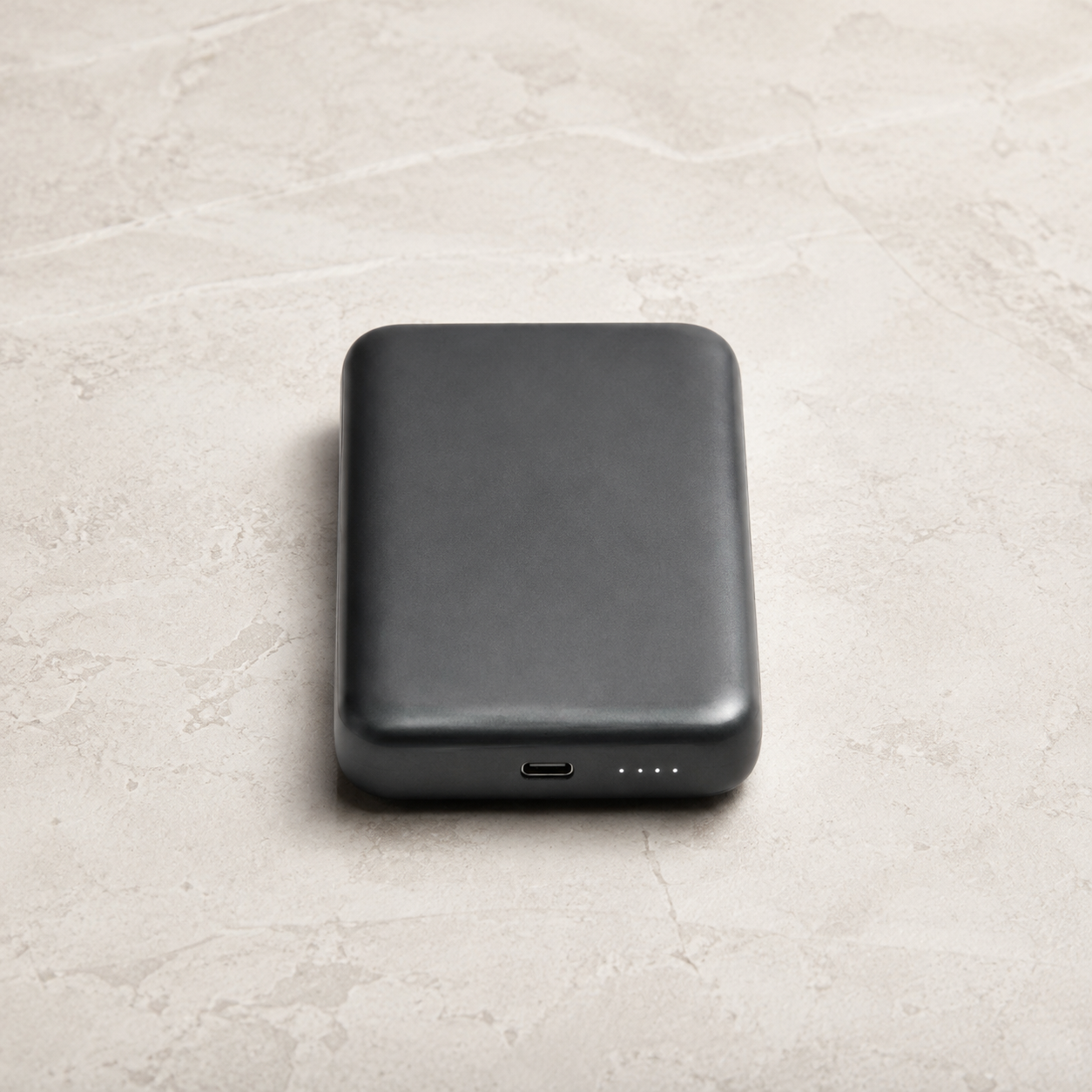
Image 1 purpose: Product detail photo.
Insert position: After "Build a Specification Sheet That Can Be Tested".
Caption: "Key specifications should be linked to an approved sample and documented test conditions."
ALT text: "Power Banks product detail for B2B sourcing review"
AI image prompt: "Authentic square commercial product photography of one power banks item, full product visible, clean professional electronics studio, no text, no logos, no watermark, no CGI."
Image 2 purpose: Factory testing photo.
Insert position: After "Test Performance and Reliability Under Realistic Conditions".
Caption: "Factory testing records help buyers compare approved samples with final production."
ALT text: "Asian technician testing power banks on an electronics quality-control bench"
AI image prompt: "Realistic electronics factory quality-control photography, Asian technician testing power banks at an organized bench with appropriate meters and sample records, authentic lighting, no text overlay, no CGI."
CTA and Inquiry Popup Plan
Mid-article CTA position: After "Quality Control Plan for a Bulk Order".
CTA text: Ask for Product Catalog
CTA copy: "Send your target market, application, required specifications, and quantity. ByteAero can recommend practical models for sample review."
End CTA position: After "Conclusion".
CTA text: Get a Quote
Popup trigger suggestion: 40% scroll, 30 seconds on page, and exit intent.
Popup title: "Source Power Banks with a Clear Specification"
Popup copy: "Share your application, market, required features, packaging need, and estimated order quantity for a practical sourcing response."
Suggested form fields: Name, Email, Phone, Company, Country/Region, Product Requirement, Order Quantity, Message.
Submit button text: Send Requirements
Conclusion
Which Factors Drive Price Differences in Power Banks by turning the customer need into a verifiable procurement brief, testing a representative sample, checking documentation before production, and inspecting final goods against the approved reference. This approach gives buyers a stronger basis for supplier selection, clearer product listings, and fewer avoidable post-sale issues.
ByteAero supports B2B buyers with product matching, sample coordination, factory testing, packaging preparation, and shipment inspection planning. Send your requirements to request suitable power banks options for your market.