
Quick Article Directory
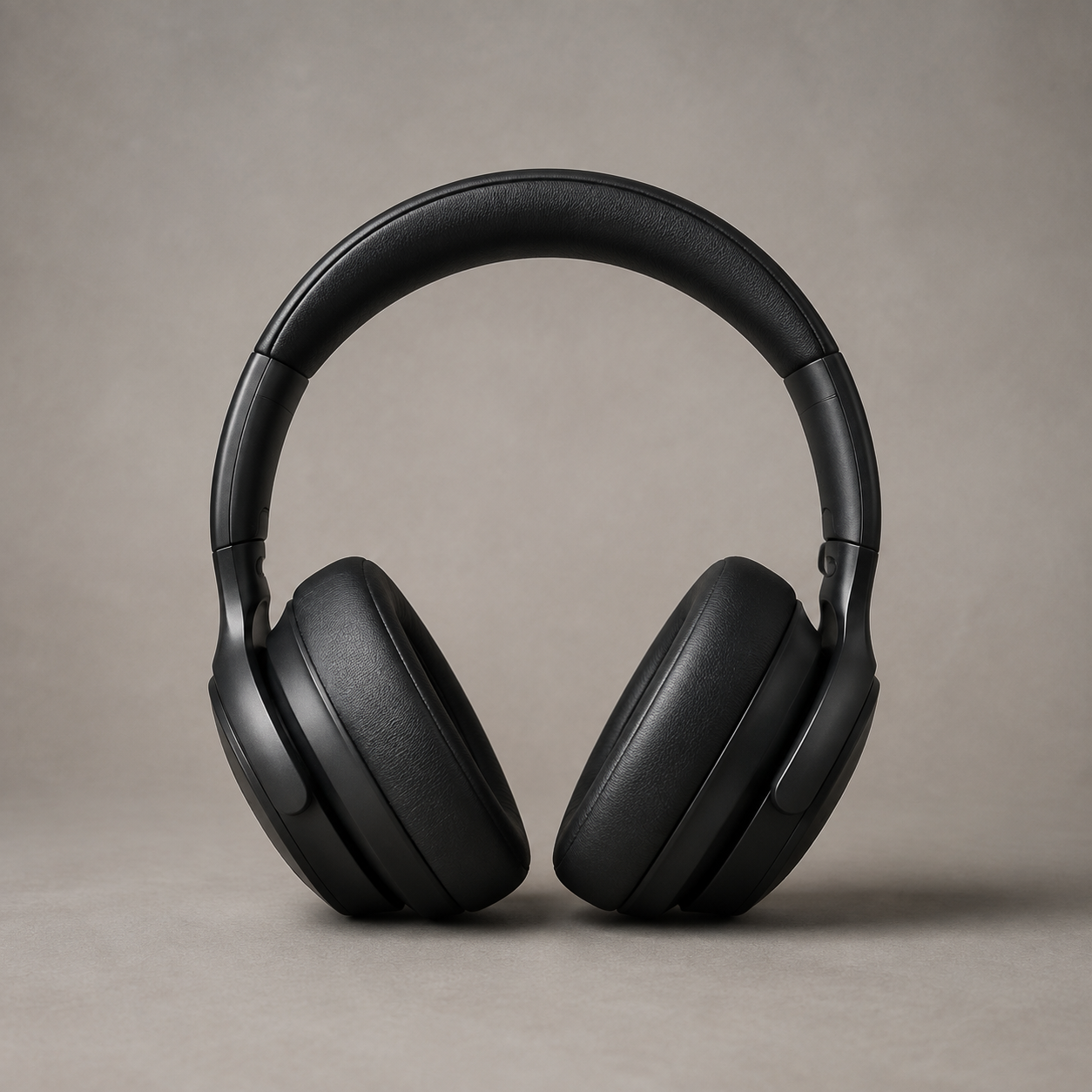
Wireless Headphones Wholesale Guide for Audio Product Buyers
Topic Research and Search Intent
Blog title: Wireless Headphones Wholesale Guide for Audio Product Buyers
Target keyword: wireless headphones wholesale
Search intent: Retailers, distributors, and brand buyers want to compare over-ear wireless headphones by sound, comfort, battery, Bluetooth connection, microphone, packaging, and supplier quality control.
Why this topic fits a B2B export website: Headphones are a higher-value audio category with clear upgrade paths and bundle opportunities. Buyers require evidence of real listening and connection tests before committing to a retail program.
Introduction
Wireless headphones serve commuting, home listening, remote work, travel, education, gaming-adjacent use, and gifting. Buyers often receive samples that look similar yet feel very different after an hour of use. Clamp pressure, ear-pad material, hinge fit, headband adjustment, sound tuning, microphone performance, Bluetooth connection, and battery behavior all influence customer reviews.
This guide covers the decisions that turn a general catalog item into an approved retail model. It complements ByteAero's Bluetooth speaker wholesale guide and wireless earbuds quality-control guide, while focusing on the fit, foldability, and listening workflow of headband headphones.
Match the Headphone Type to the Channel
Entry-level retail may need a lightweight on-ear or over-ear model with clear controls, Type-C charging, and durable packaging. Premium channels may prioritize active noise reduction, stronger materials, a travel case, multi-device behavior, and refined acoustic tuning. Education or office buyers may care more about microphone clarity, long-wear comfort, simple charging, and a stable replacement policy.
Define whether the product is for music, calls, travel, online learning, or a mixed channel. A feature that sounds impressive on a sell sheet may be irrelevant if it does not support the target customer. For example, a foldable design only adds value if the hinge survives realistic use and the package protects it during shipment.
What to Test in a Working Sample
Sound and Microphone
Listen with several music types at low, medium, and higher volume. Check for rattling, imbalance between left and right sides, distortion, abrupt volume steps, and uncomfortable bass. For call performance, test in a quiet room and with controlled background sound. Record the actual test devices and source material; sound impressions become more useful when the process is repeatable.
Fit, Materials, and Controls
Ask more than one person to wear the sample. Note ear-cup depth, headband pressure, swivel action, pad heat, button feel, and adjustment range. Test the folding hinge repeatedly but without abusive handling. Check that charging and audio ports align correctly and that the printed control icons match the real function.
Bluetooth and Battery Behavior
Pair with common phone and computer types, then test reconnection, range in a normal office, switching devices where advertised, and latency for the intended product application. The Bluetooth SIG's technology overview explains why Bluetooth Classic remains central to wireless audio while Bluetooth LE supports low-power and other applications. Do not turn a Bluetooth version number into a promise of sound quality; verify the complete listening experience.
Run a practical battery test at a documented volume. Confirm charging indicator behavior, charge time, low-battery alert, and play time with any noise-control feature enabled or disabled as applicable.
Factory Testing and Shipment Inspection
Production checks should include appearance, left/right audio, pairing, button controls, microphone, charging, battery indication, hinge movement, headband adjustment, and packed accessory count. Factory testing should use the approved firmware and charging cable. During shipment inspection, open random retail boxes and confirm the model color, manual, cable, pouch or case, barcode, warning statements, and carton pack count.
For a premium model, retain a golden sample that includes sound expectation notes, not merely external appearance. Shipment inspection cannot replace a full acoustic laboratory program, but a controlled listening and functional check can catch basic production variation before goods depart.
Supplier Evaluation and RFQ Example
Ask how drivers, batteries, pads, hinges, and firmware are controlled between orders. Confirm whether the supplier can provide an approved sample, packaging proof, replacement parts policy, and a clear process for defects. Avoid unexplained claims such as "studio sound" or "zero noise" in packaging.
RFQ example: "We need foldable wireless over-ear headphones for audio retail. Please quote basic and ANC-capable options with Type-C charging, microphone, English packaging, private-label logo, black and neutral colors, sample lead time, production lead time, battery test method, and shipment inspection process."
FAQ
What is more important: Bluetooth version or driver size?
Neither number alone determines customer satisfaction. Review sound, call quality, fit, connection behavior, and battery performance through a real sample test.
How should battery life be communicated?
State the tested condition, including approximate volume and whether a noise-control function was active. Avoid a broad figure that customers cannot reproduce.
What creates headphone returns most often?
Fit discomfort, pairing confusion, weak hinges, inaccurate battery claims, and unclear accessories are common risks. Test the out-of-box experience before bulk approval.
Image Planning and AI Generation Prompts
Image 1 purpose: Main product image.
Insert position: After "Introduction".
Caption: "Over-ear headphone approval should include comfort and listening tests, not only a visual inspection."
ALT text: "Wireless over-ear headphones on a clean desk for wholesale audio buyers"
AI image prompt: "Authentic premium product photograph of one pair of wireless over-ear headphones on a clean modern desk, full product visible, soft daylight, realistic material texture, no text, no logo, not CGI."
Image 2 purpose: Audio testing image.
Insert position: After "Factory Testing and Shipment Inspection".
Caption: "Final inspection verifies pairing, audio balance, microphone, charging, hinge action, and packed accessories."
ALT text: "Asian technician testing wireless headphones at an audio quality-control bench"
AI image prompt: "Realistic factory quality-control photograph, Asian technician wearing and testing wireless headphones at a clean bench with phone and audio test equipment, documentary lighting, no visible branding or text."
CTA and Inquiry Popup Plan
Mid-article CTA position: After "Factory Testing and Shipment Inspection".
CTA text: Ask for Product Catalog
End CTA position: After "Conclusion".
CTA text: Get a Quote
Popup trigger suggestion: 40% scroll, 30 seconds on page, or exit intent.
Popup title: "Source Audio Products With Confidence"
Popup copy: "Share your target customer, headphone type, feature requirements, packaging, and estimated quantity."
Suggested form fields: Name, Email, Phone, Company, Country/Region, Product Type, Quantity, Message.
Submit button text: Request a Quote
Conclusion
Reliable headphone sourcing is about disciplined sample listening, comfort review, connection checks, and controlled production inspection. Build claims around what the approved model can demonstrate, then align packaging and accessories with the target channel. ByteAero supports buyers sourcing headphones, speakers, earbuds, and related audio ranges. Send your requirements for product matching.