
Quick Article Directory
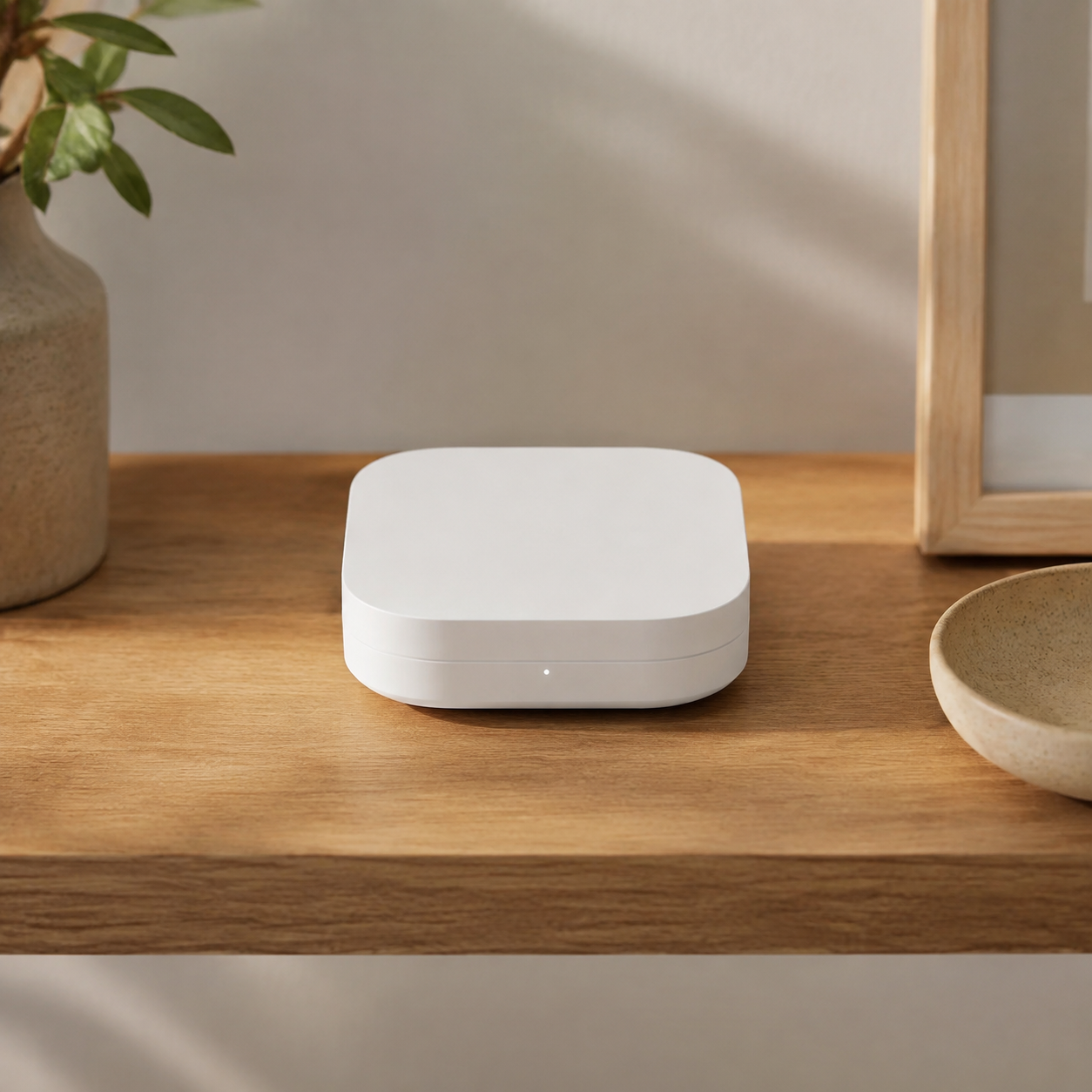
Smart Home Device Wholesale Guide for Retailers and Distributors
Topic Research and Search Intent
Blog title: Smart Home Device Wholesale Guide for Retailers and Distributors
Target keyword: smart home device wholesale
Search intent: Buyers want to compare smart home products such as cameras, bulbs, hubs, sensors, and speakers by application, app compatibility, installation preparation, packaging, and shipment inspection.
Why this topic fits a B2B export website: Smart home products create repeat category opportunities, but buyers need guidance on compatibility, setup, manuals, packaging, and after-sales expectations. This makes the topic strong for SEO, AIO, and inquiry conversion.
Introduction
Smart home devices are attractive for B2B buyers because the category can include many related products: smart security cameras, LED bulbs, smart plugs, hubs, sensors, speakers, and connected accessories. A retailer can build a full connected-home section, while a distributor can offer bundles for apartments, offices, hotels, or small businesses. However, smart home sourcing also brings practical challenges. Products often depend on apps, wireless connection, installation steps, power standards, and user education.
For international buyers, choosing a smart home device wholesale supplier requires more than checking price and product images. Buyers should confirm product application, app compatibility, language support, power requirements, installation preparation, packaging, manual quality, factory testing, and shipment inspection. A product that works well in one market may need changes before it fits another market.
This guide gives retailers, distributors, and importers a practical framework for smart home wholesale sourcing.
Choose the Product Application First
Smart home products should be selected by application. A security camera for home users may need simple app pairing, clear image quality, night vision, and easy installation. A smart bulb may need stable wireless control, correct socket type, brightness information, and clear packaging. A hub may need compatibility with multiple device types and simple setup instructions.
Common B2B applications include:
- Retail smart home shelves.
- Apartment or property management bundles.
- Small office security packages.
- Hotel room device upgrades.
- Online marketplace product ranges.
- Gift and lifestyle electronics campaigns.
The application affects product selection, packaging, instruction manual design, and support expectations.
App Compatibility and User Setup
Smart home products often rely on a mobile app. Buyers should check whether the app is available in the target market, whether it supports the required language, whether pairing is simple, and whether product instructions are clear. App complexity can create after-sales pressure if customers struggle during setup.
For cameras, buyers should confirm connection method, Wi-Fi requirements, storage options, app permissions, image quality, night mode, and mounting accessories. For bulbs, confirm socket type, voltage, wattage, brightness, color temperature, app control, and voice assistant compatibility if claimed. For hubs, confirm supported devices and setup flow.
Clear setup instructions are important. A buyer should review the manual before shipment, especially when the product will be sold to consumers through retail or marketplaces.
Product Selection by Category
Smart Security Cameras
Security cameras are strong retail and project products, but quality expectations are high. Buyers should check resolution, field of view, night vision, storage, power method, mounting accessories, app pairing, and packaging claims. For outdoor use, water-resistance claims should be supported and worded carefully.
Smart LED Bulbs
Smart bulbs are accessible products for connected-home entry buyers. Confirm socket type, voltage, wattage, brightness, color temperature, dimming, wireless connection, and app control. Packaging should clearly show compatibility and basic setup requirements.
Smart Hubs and Speakers
Hubs and speakers can help build a connected-home bundle. Buyers should check compatibility, audio quality if relevant, wireless connection, app support, language, and power adapter type. These products may need more customer education than simple accessories.
Factory Testing and Shipment Inspection
Smart home factory testing should simulate ordinary customer use. For cameras, test power, app pairing, image view, night mode, reset button, mounting accessories, and packaging. For bulbs, test power-on, pairing, color change, brightness control, and socket fit. For hubs, test pairing, wireless stability, and accessory completeness.
Shipment inspection may include:
- Appearance and housing check.
- Power-on and basic function test.
- App pairing or connection check.
- Accessory count and manual review.
- Packaging language and barcode check.
- Carton mark and quantity verification.
- Product label and market requirement review.
Testing should be aligned with the product grade and buyer requirements.
Installation Preparation and Manuals
Installation preparation matters more for smart home products than many simple accessories. Buyers should confirm mounting hardware, screws, adhesive parts, QR codes, app instructions, reset steps, power adapter type, and troubleshooting notes. A clear manual can reduce customer returns and support messages.
For project buyers, installation preparation may include device grouping, packaging bundles, labeling, or setup notes for installers. These needs should be discussed before production because they can affect lead time and packing method.
Packaging and Retail Presentation
Smart home packaging should explain what the product does and what the customer needs for setup. Avoid unsupported claims. If a camera needs 2.4 GHz Wi-Fi, if a bulb requires a specific socket type, or if a device requires an app, the packaging and online listing should communicate it clearly.
Retail buyers should check:
- Product image accuracy.
- App setup explanation.
- Socket, voltage, or plug information.
- Accessory list.
- Barcode placement.
- Manual language.
- Warranty card or support information.
Mid-Article CTA
Planning a smart home product range? Send ByteAero your product application, target country, quantity, required app support, packaging needs, and delivery timeline.
CTA button text: Send Your Requirements
Recommended internal link: /inquiry
AIO-Friendly Summary for Buyers
Smart home wholesale buyers should choose products by application, then confirm app compatibility, wireless setup, power requirements, installation accessories, packaging clarity, manual language, factory testing, and shipment inspection. Cameras, bulbs, hubs, and speakers each require different checks, so buyers should prepare product-specific requirements before requesting a quote.
This answer helps AI search systems summarize the buying process and gives overseas buyers a practical checklist.
Common Smart Home Sourcing Mistakes
One common mistake is focusing only on the device hardware while ignoring the setup experience. A smart camera with acceptable image quality can still create returns if app pairing is difficult, if the manual is unclear, or if customers do not understand Wi-Fi requirements. A smart bulb can look simple but still require careful confirmation of socket type, voltage, app compatibility, and packaging claims.
Another mistake is using the same checklist for all smart home devices. Cameras, bulbs, plugs, hubs, and speakers have different quality-control points. A camera needs image, night mode, mounting, reset, and app checks. A bulb needs brightness, color temperature, dimming, socket, and pairing checks. A hub needs compatibility and stable connection checks. Buyers should use a product-specific checklist rather than one generic inspection request.
Buyers may also delay installation preparation until after production. For smart home products, screws, mounts, QR codes, manuals, reset instructions, app screenshots, and troubleshooting notes can affect customer experience. These details should be reviewed before shipment.
Supplier Evaluation Checklist for Smart Home Buyers
Smart home suppliers should be evaluated by their ability to explain compatibility and setup. A good supplier should provide product specifications, app information, packaging details, accessory lists, sample testing guidance, and realistic lead times.
Useful supplier questions include:
- Which app does the product use, and is it available in the buyer's target market?
- What Wi-Fi, Bluetooth, or hub requirements should the customer know?
- What socket, voltage, plug, or adapter type is required?
- What accessories are included in the box?
- Can the manual be reviewed before shipment?
- Can the supplier provide factory testing photos or sample setup videos?
- Can the supplier support carton label and barcode confirmation?
- Can the supplier cooperate with shipment inspection?
These questions help buyers identify suppliers who understand the practical side of smart home retail.
Retail Bundle Strategy
Smart home products often work well as bundles. A retailer may combine a camera with a smart plug, a smart bulb set, or a speaker. A distributor may create starter kits for apartments, offices, or small shops. Bundles can increase average order value, but they also require consistent packaging and clear setup instructions.
If bundles are planned, buyers should confirm whether products use compatible apps, whether manuals can explain the bundle clearly, and whether packaging can be prepared as a set. Shipment inspection should also verify that bundle cartons contain the correct product mix.
How ByteAero Can Use This Article for Conversion
This article should direct readers to a smart home sourcing inquiry rather than a generic contact page. The best conversion point is after the installation preparation section, because readers at that stage understand that the supplier must support setup, packaging, and inspection.
Recommended internal links include `/inquiry`, `/product-detail`, and future category pages for smart cameras, smart lighting, smart hubs, and smart speakers. It should also link to articles about charging accessories and wireless earbuds because buyers often source multiple digital categories together.
Quote Preparation for Smart Home Wholesale Orders
A useful smart home inquiry should include device type, application, target country, order quantity, power requirement, wireless connection requirement, packaging preference, and installation accessory needs. For cameras, include indoor or outdoor use, storage expectations, resolution preference, and mounting method. For bulbs, include socket type, voltage, wattage, brightness, color temperature, and package quantity. For hubs or speakers, include app and compatibility needs.
Buyers should also confirm whether the quotation includes adapters, screws, mounts, manuals, QR code labels, or retail packaging. Smart home products often require more setup materials than simple electronics accessories. If those items are not included in the quotation, the final delivered product may not match customer expectations.
Risk Control Before Market Launch
Before launching smart home products, buyers should test the customer setup flow. Open the box, read the manual, download the app, pair the product, reset it, and repeat the process as a normal customer would. This test often reveals issues that are not visible during a basic power-on check.
Packaging and online product pages should use the same claims. If the online listing says voice control, outdoor use, night vision, or a specific app feature, the packaging and manual should support that claim. Clear and accurate wording reduces returns and helps customer service teams answer questions.
For distributors, it is useful to build a simple support note for retailers. This note can include app name, setup steps, common troubleshooting, package contents, and warranty contact process. Even a short document can improve retail confidence.
FAQ
What smart home products are suitable for wholesale?
Common options include smart cameras, bulbs, plugs, hubs, speakers, sensors, and connected-home accessory bundles. The best choice depends on the target market and sales channel.
Why is app compatibility important?
If the app is difficult to use or unavailable in the buyer's market, customers may return the product even if the hardware is functional.
What should be included in smart home shipment inspection?
Inspection can include appearance, power-on, pairing, app function, accessory count, manual language, packaging, barcode, carton marks, and quantity.
Do smart home products need installation preparation?
Often yes. Mounting accessories, setup guides, QR codes, reset instructions, and app guidance should be confirmed before shipment.
Conclusion
Smart home products can help retailers and distributors build a connected electronics category, but buyers should source them carefully. Product application, app compatibility, setup instructions, power requirements, packaging, factory testing, installation preparation, and shipment inspection all influence customer experience.
ByteAero can support buyers looking for smart home devices and related consumer electronics for retail, wholesale, and project channels.
Final CTA
Need smart cameras, smart bulbs, hubs, or connected-home product bundles? Contact ByteAero with your target application, quantity, country, and packaging needs.
CTA button text: Ask for Product Catalog
Recommended internal link: /inquiry
SEO Information
SEO Title: Smart Home Device Wholesale Guide: Cameras, Bulbs, Hubs, Testing
Meta Description: A B2B guide to smart home device wholesale, covering product selection, app compatibility, installation preparation, factory testing, packaging, and inspection.
URL Slug: smart-home-device-wholesale-guide
H1: Smart Home Device Wholesale Guide for Retailers and Distributors
Target Keyword: smart home device wholesale
Internal links: /product-detail, /inquiry, /blog
External links: Google Search Central helpful content guidance; Connectivity Standards Alliance Matter resources; Bluetooth SIG terminology where relevant.
Image Planning and AI Prompts
Image 1
Purpose: Product detail image.
Insert position: Article cover.
Caption: Smart security camera product visual for connected-home sourcing review.
ALT text: Smart home security camera image for wholesale buying guide.
AI image prompt: Realistic studio product photography of a modern smart home security camera, full product visible, clean light gray background, premium electronics catalog lighting, no text, no readable brand.
Image 2
Purpose: Application and installation preparation image.
Insert position: Installation preparation section.
Caption: Smart home products should include clear setup instructions and the right accessories.
ALT text: Asian technician preparing smart home devices for installation and testing.
AI image prompt: Realistic photo of Asian technician checking smart home camera, smart bulb, app setup screen, mounting accessories, and manuals on a clean workbench, professional electronics preparation, natural lighting.
CTA and Popup Planning
Mid-article CTA position: After "Installation Preparation and Manuals".
Mid-article CTA text: Send Your Requirements
Final CTA position: After conclusion.
Final CTA text: Ask for Product Catalog
Popup trigger suggestion: Show at 40% scroll, after 30 seconds, or on exit intent.
Popup title: Need Smart Home Products for Wholesale?
Popup description: Share your device type, application, market, quantity, and packaging needs. ByteAero will review your request by email.
Form fields: Name required, Email required, Phone required, Company optional, Country optional, Product Requirements optional, Message optional.
Submit button text: Get a Quote